
The Role of Artificial Intelligence in Cybersecurity
June 1, 2025
The Importance of Cyber Threat Intelligence for Proactive Defense
June 4, 2025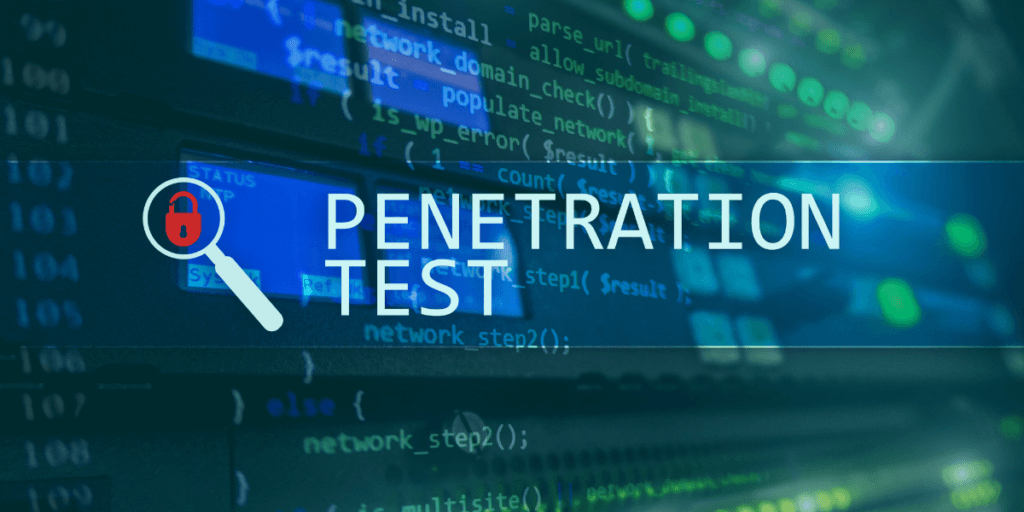
Penetration testing—often referred to as pen testing—is a critical element of any mature cybersecurity program. It simulates real-world cyberattacks to identify and fix security vulnerabilities before attackers can exploit them. Despite its importance, penetration testing is surrounded by several common misconceptions that can prevent organizations from fully realizing its value.
In this article, we’ll debunk five of the most persistent myths about penetration testing and set the record straight.
1. Penetration Testing Is Just a Fancy Vulnerability Scan
Myth: A penetration test is basically the same as running a vulnerability scanner.
Reality: Vulnerability scanners identify known weaknesses in systems based on databases of signatures, but they don’t simulate how a real attacker would exploit those vulnerabilities. Penetration testing goes beyond automated scanning—it involves manual techniques, creative problem-solving, and exploiting weaknesses to demonstrate the actual risk. A good penetration test mimics the tactics, techniques, and procedures (TTPs) of real threat actors.
2. Penetration Testing Is Only for Large Enterprises
Myth: Small and medium-sized businesses (SMBs) don’t need penetration tests.
Reality: Cybercriminals often target smaller organizations because they assume (sometimes correctly) that security defenses are weaker. Penetration testing is just as important for SMBs, especially those that handle sensitive data, rely on third-party vendors, or operate in regulated industries. Security should scale with risk, not company size.
3. One Test Per Year Is Enough
Myth: An annual penetration test is sufficient to stay secure.
Reality: While annual tests are a common baseline, today’s threat landscape evolves quickly. New vulnerabilities, system changes, and infrastructure updates can introduce risks overnight. Regular testing—especially after major changes like software deployments or cloud migrations—is critical. Some organizations also benefit from continuous testing models or red teaming for persistent threat simulation.
4. Penetration Testing Will Disrupt My Business
Myth: Running a penetration test will slow down systems, crash applications, or interrupt operations.
Reality: Professional penetration testers follow strict rules of engagement and work closely with your IT team to minimize risk and disruption. Most testing is performed during low-usage periods, and testers avoid high-impact actions unless explicitly approved. When properly scoped, pen testing is designed to be safe, controlled, and minimally invasive.
5. A Clean Report Means We’re 100% Secure
Myth: If the penetration test finds no vulnerabilities, we’re completely safe.
Reality: No system is ever 100% secure. A penetration test is a snapshot in time, based on the scope and methods used. It may not uncover every possible threat—especially if testing is limited in scope or attackers use zero-day exploits. The real value lies in continuous improvement. A clean report today should encourage ongoing vigilance, not complacency.